
Volunteer training 1-2 February 2025, by Mariama Sallah

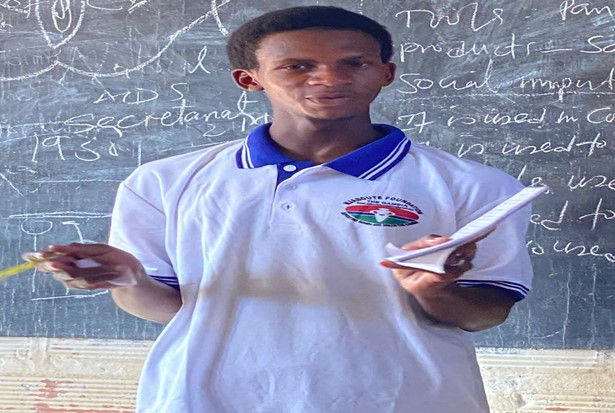
The Njaboute Foundation recently organised a comprehensive two-day training of volunteers on the 1st and 2nd of February 2025 at Jambanjelly School.
The training aimed at empowering community volunteers with essential knowledge and skills related to the foundation’s mission, sexual and reproductive health, and volunteerism principles. This initiative brought together 20 dedicated individuals from various backgrounds, all committed to enhancing their understanding of these critical areas.
The training sessions were designed to provide participants with a thorough overview of the Njaboute Foundation’s objectives, emphasizing the importance of community engagement in promoting sexual and reproductive health and rights. By equipping volunteers with relevant information and practical tools, the foundation aims to foster a more informed community that can actively participate in discussions surrounding these vital topics.
Throughout the training, participants engaged in interactive discussions and group discussions that facilitated learning and collaboration. The focus on volunteerism highlighted the significant role that each individual plays in driving positive change within their communities. By nurturing a sense of responsibility and commitment among volunteers, the Njaboute Foundation seeks to create a ripple effect that extends beyond the training sessions into broader community initiatives.
This report will detail the training program’s objectives, content delivered, participant feedback, and future recommendations for sustaining engagement among volunteers.

OBJECTIVES
1. To Assess Participant Engagement and Learning Outcomes
2. To Promote Awareness of Sexual and Reproductive Health Issues
3. To Strengthen Community Volunteer Networks
Day 1 Activities
The first day of the training commenced with an introduction to the foundation’s concept, background, and history, presented by Abdoulie Baldeh, the founder. This session set the stage for understanding the foundation’s mission and objectives. Following this, Mariama Sallah led a discussion on the concept of volunteerism, emphasizing its importance in community development.
Participants were then engaged in a session focused on community health promotion, where they learned about strategies to enhance health outcomes within their communities. This was followed by an exploration of community structure, which provided insights into how communities are organized and function. This was presented by Peter O. Mendy.


The concept of Community health promotion/education (Social Behavioral Change Communication) presented by Awa Mendy focuses on social determinants of health outlining the risky behaviors and advocating for sustainable strategies at the community level.
A critical component of the Njaboute Foundation, sexual and reproductive health and rights, presented by Abdoulie Baldeh centered around the rights to sexuality, reproduction, and reproductive health emphasizing the decision for pregnancy and delivery bestowed on women and NOT men as culturally assigned to men. He stressed the need for women to be aware of this fundamental right that must not be taken from them.
A critical component of Day 1 was dedicated to sex and sexuality education, facilitated by Hamadi Sowe, the Regional AIDS Coordinator, West Coast Region. This session addressed sensitive topics that are crucial for promoting sexual health awareness among community members.
Throughout Day 1, breakfast and lunch were served to participants, fostering an environment conducive to learning and interaction. The day concluded with group work where participants collaborated on practical exercises related to the topics discussed. This collaborative effort allowed them to apply their newly acquired knowledge in a supportive setting.
Day 2 Activities
Day 2 began with a recap of Day 1 led by Mariama Sallah, reinforcing key concepts covered previously. This was followed by a session on communication skills in the context of HIV conducted by Hamadi Sowe. Participants learned effective communication strategies that are vital for discussing HIV-related issues within their communities.
Antennal and postnatal care at the community level led by Abdoulie Baldeh emphasized the vital role volunteers play in advocating for the pregnancy, labour and postpartum period. He emphasized the importance of respecting every complaint from a pregnant woman. He stressed the importance of maternal nutrition during pregnancy and postpartum period.
Next, Awa Mendy presented on maternal and neonatal infections, highlighting preventive measures and care practices essential for improving maternal health outcomes. Hamadi Sowe returned to discuss HIV treatment and control policies, providing participants with an understanding of current guidelines and practices in managing HIV.
Awa Mendy also facilitated a session on HIV counselling, equipping volunteers with skills necessary for providing support to individuals affected by HIV/AIDS. The focus then shifted to non-communicable diseases (NCDs) and gender-based violence (GBV), presented by Abdoulie Baldeh. This session emphasized the intersectionality between health issues and social challenges faced within communities.
As with Day 1, breakfast and lunch were provided on Day 2. The training concluded with group work where participants reflected on what they had learned over the two days. Feedback from participants indicated a strong appreciation for the content delivered during the training; many expressed enthusiasm about sharing their knowledge as ambassadors of the Njaboute Foundation in their respective communities.


CONCLUSION
The two-day training organized by Njaboute Foundation successfully equipped community volunteers with vital knowledge regarding health promotion, volunteerism, and communication skills related to HIV/AIDS, maternal health issues, NCDs, and GBV. Participants left feeling empowered and ready to implement what they had learned within their communities.


Comments